Application of livelihood vulnerability index to assess risks from flood vulnerability and climate variability - A case study in the Mekong Delta of Vietnam
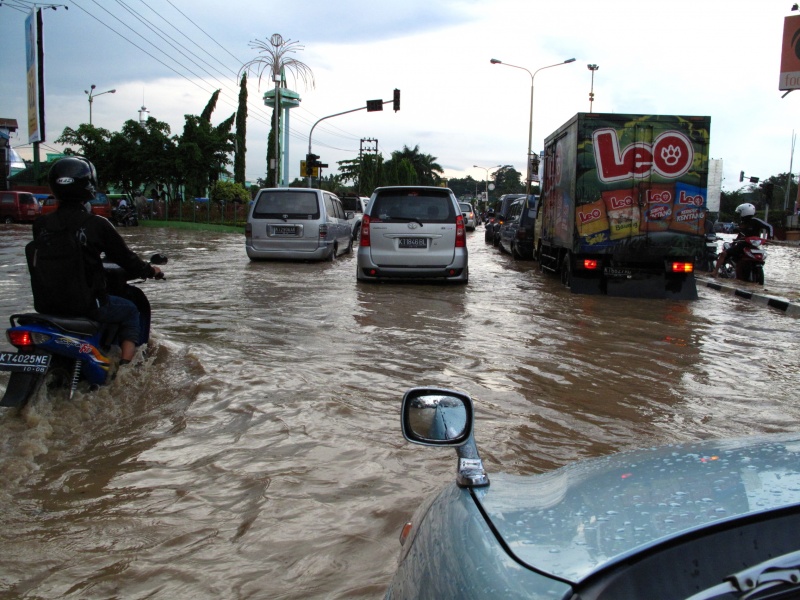
An Giang province in the Mekong Delta is the most vulnerable province the impact of flooding and climate variability. Thousand of households are at risk due to severe annual floods. This study applied the LVI (livelihood vulnerability index) to estimate flood vulnerability of Phu Huu and Ta Danh villages in An Giang province. Data on socio-demographics, livelihoods, health, social networks, physical, financial and natural resources, natural disasters and climate variability were collected from a survey of 120 households in each village. From these data the LVI of each village was calculated. Results show that the overall LVI of Phu Huu village, located in the early flooded zone, is higher than that of Ta Danh village, located in the late flooded zone. The analysis also indicated that this practical method can be applied for other purposes such as to monitor vulnerability, evaluate development programs or policy effectiveness by incorporating with scenario comparison.
Author(s)
Published
2013
 Read more about SUMERNET
