Researching National REDD+ Strategy Development in Cambodia, Myanmar and Thailand
 By Rajesh Daniel
-
Jun 19, 2015
By Rajesh Daniel
-
Jun 19, 2015
Tropical forests, one of the region’s key natural resources, have come under increasing pressurefrom human activities. Declines in forested areas are adversely affecting the livelihoods of forest-dependent households and communities. The increasing severity of this issue has resulted in growing attention on forests, for example under the United Nations Framework Convention on Climate Change (UNFCCC). Since 2005, within the context of climate change adaptation and mitigation discussions, Parties to the UNFCCC have been actively negotiating a policy initiative that entails the development and implementation of programmes that would contribute to climate change mitigation through forestry activities. This initiative is now known as REDD+, or reducing emissions from deforestation and forest degradation, with + representing the role of sustainable forestry management and enhancement of forest carbon stocks in developing countries. To date, REDD+ has been implemented at various levels in countries across Africa, Asia-Pacific, and Latin America and the Caribbean.
Funded by the Sustainable Mekong Research Network (SUMERNET) Phase 3 programme led by the Stockholm Environment Institute, an academic research consortium is collecting data on the national REDD+ strategy development processes in Cambodia, Myanmar and Thailand. The consortium consists of the Royal University of Phnom Penh, the University of Forestry at Yezin, and Kasetsart University. The primary objective of this research project is to document insights for REDD+ policymakers in the three project countries on how barriers can be overcome and opportunities seized for key components of national REDD+ strategies or action plans in order to ensure effective, efficient and equitable REDD+ implementation in their countries.
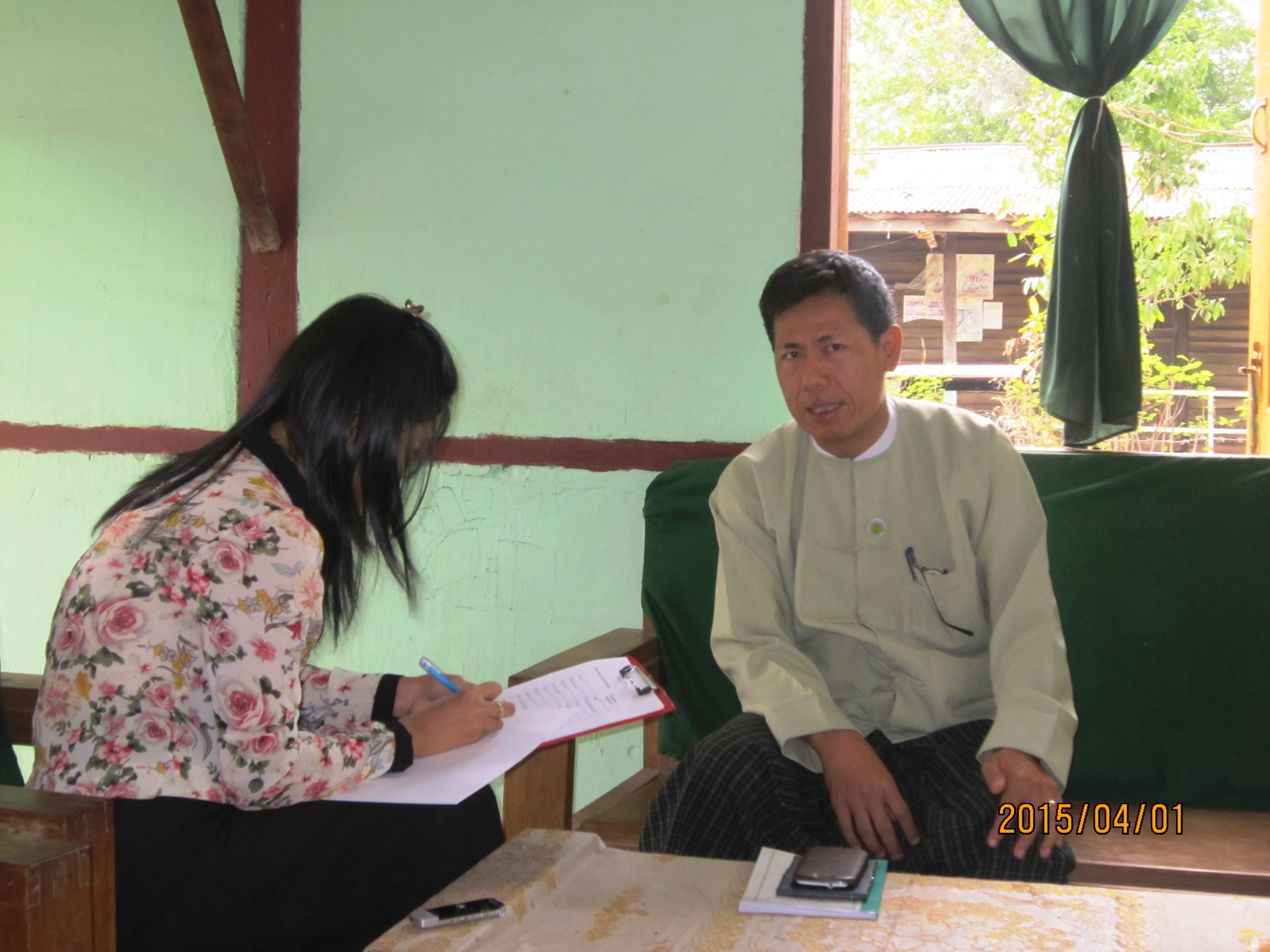
At present, the main activities of the research teams relate to data collection. As of June 1, 2015, more than 50 interviews and 20 policy observations have been undertaken, as well as the analysis of archival materials such as policies, laws and regulations that are related to the development of national REDD+ strategies in the three countries. Teams have also engaged with relevant government and non-government institutions in their respective countries, for example by attending consultative meetings and presenting at a research conference.
In addition to further data collection and analysis, the team is planning to conduct a multi-stakeholder consultative meeting in their respective country on the three project research questions. The data collection process will be completed by August 1, 2015, in time for a workshop to be held on August 5-6, 2015, at the Royal University of Phnom Penh, for collaborative data analysis and the outlining of the expected project deliverables. These deliverables include a chapter for SUMERNET’s flagship book, two journal manuscripts, and policy briefs in both English and local languages for the use of boundary partners, particularly the national REDD+ policy-makers in Cambodia, Myanmar and Thailand.
Info
This story is part of the following project
Comparative study on national REDD+ strategy in Cambodia, Myanmar and Thailand (REDD+ in the Mekong)
Topic
Country
Related people
You might be interested in
-
‘Useful’ research and policy development: Social forestry in ASEAN
The objective of the 6th CSO Forum on Social Forestry was to continue being the platform to discuss, distil, consolidate, and elevate messages and learnings of CSOs and smallholders on Social Forestry, Climate Change and related topics and develop concret
![‘Useful’ research and policy development: Social forestry in ASEAN]()
-
Challenges in developing national REDD+ strategies: Cambodia case study
The SUMERNET research team working on REDD+ found that technical inputs needed for strategy development are lacking.
![Challenges in developing national REDD+ strategies: Cambodia case study]()
-
Researching national REDD+ strategies in Cambodia, Myanmar and Thailand: An update
As of June 1, 2015, the REDD+ team has conducted over 50 interviews and attended more than 20 policy observations. All three teams have also been collecting, collating and analyzing archival materials including past and current policies, laws and regulati
![Researching national REDD+ strategies in Cambodia, Myanmar and Thailand: An update]()


 Read more about SUMERNET
