The Mekong and the importance of media reporting
 By Tipakson Manpati
-
Mar 18, 2022
By Tipakson Manpati
-
Mar 18, 2022
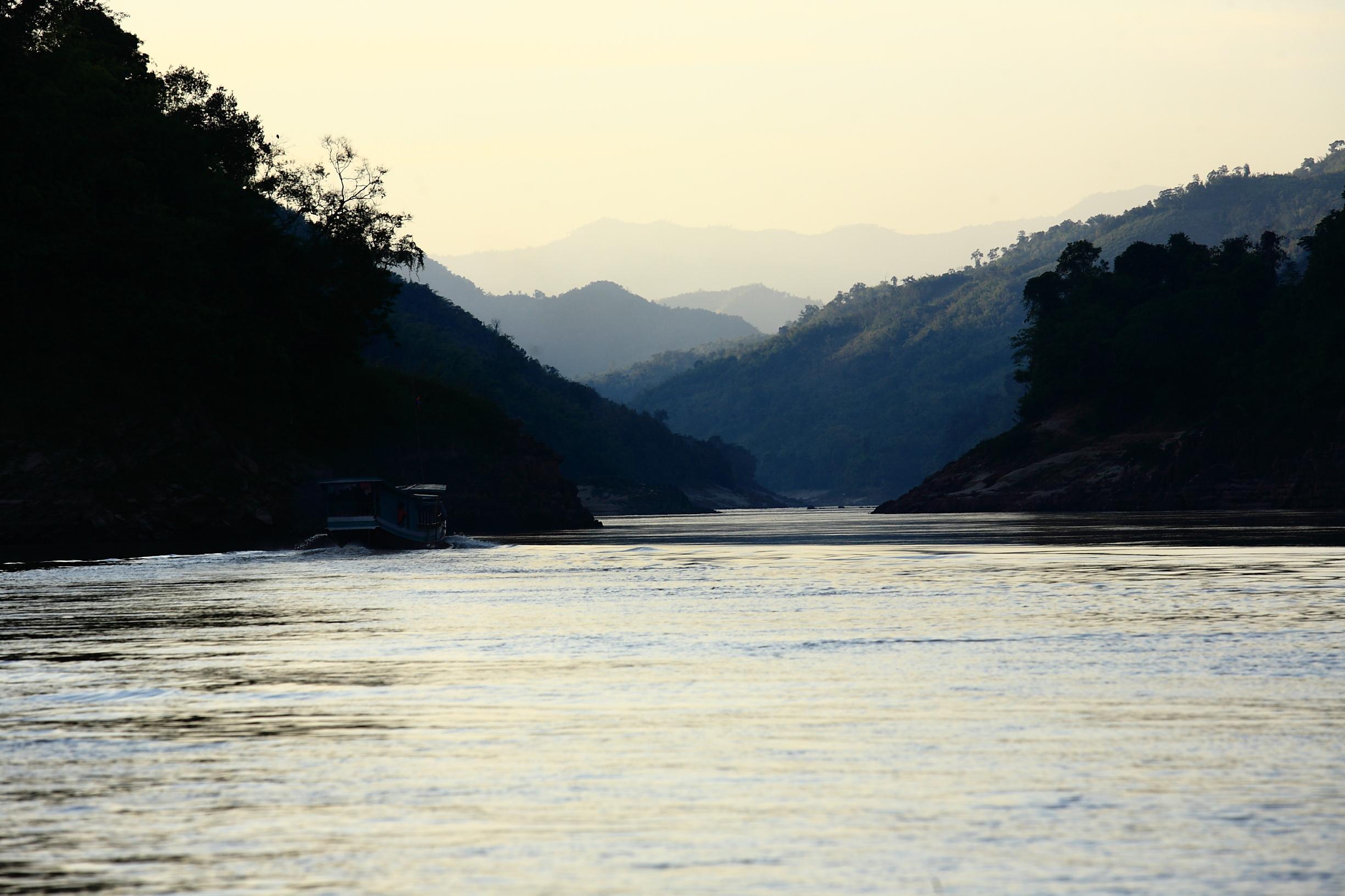
The Mekong River has changed dramatically due to the impacts of hydropower development and water related projects together with the effects of climate change.
Dam monitoring data has shown that the depletion of the Mekong water flow in the wet season and unpredictable water fluctuation all-year round are caused by the operation of upstream dams storing water in reservoirs.
Transboundary water management must consider the impacts of these dams, the planned and ongoing water projects, and their combined impact on the Mekong ecology and local livelihoods.
On this aspect, I have four key messages.
First, media reporting on the Mekong that is continuous and evidence-based is important. Because media can continue to cover and repeat about environmental impacts and how its important to include local participation and shared-concerns of the people in this region. This participation is needed more than ever before to ensure water accessibility, water sharing and security for communities and animals that depend on this common resource across national borders.
Second, the Mekong River is a shared river that not only provides the water, which is essential for lives, but also an ecological web upon which more than 60 million of people depend upon. Stories about the Mekong and its ecosystems helps amplify the voices of the riverine communities to further push for policy change in regional water governance.
Third, media plays significant role in empowering local communities through engaging with them to convey messages given their first-hand experience about their livelihoods especially in dealing with the changes in the river. This way, it brings in wider public attention and can support the communities in various ways. For example, we can support through “participatory research” with community members as undertaken by SUMERNET researchers.
Lastly, media reporting on the Mekong can leverage decision-making processes at national and regional levels to re-define development related to water and water insecurity. The Mekong is not just water itself. It is livelihoods, beliefs, cultures and precious heritage that needs collaborative protection for sustainability, equity and social justice in order to pass on to the next generations.
Info
This story is part of the following project
SUMERNET 4 All: Engaging with water insecurity in the Mekong Region
Topic
Country
Related people


You might be interested in
-
SUMERNET Vision Guide introducing the new phase "SUMERNET 4 All"
The new, revised "Vision Guide" for SUMERNET is now available. This vision guide presents an overview of SUMERNET - its origins and governance structure, background to the network, aims, key research areas, engagement with policy, and outreach products
![SUMERNET Vision Guide introducing the new phase "SUMERNET 4 All"]()
-
SUMERNET 4 All Call for Proposals on Joint Action
SUMERNET 4 All (S4A) provides financial support and technical assistance to consortia of researchers and boundary partners from the Mekong Region
![SUMERNET 4 All Call for Proposals on Joint Action]()
-
SUMERNET launches redesigned website to provide a fresh visual look and direction
SUMERNET is proud to announce the launch of our redesigned website to coincide with our new phase of work on addressing water insecurity in the Mekong Region.
![SUMERNET launches redesigned website to provide a fresh visual look and direction]()


 Read more about SUMERNET
